

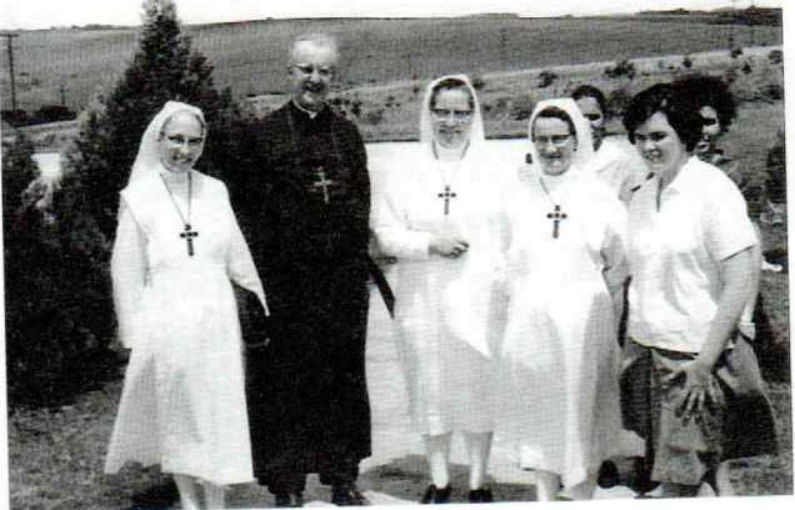
Bocaiúva do Sul – 1965
In 1965, at the invitation of Dom Bernardo Nolker, the first Bishop of Paranaguá, the Daughters of the Cross began a mission in Bocaiúva do Sul, Paraná, serving communities within the Diocese.
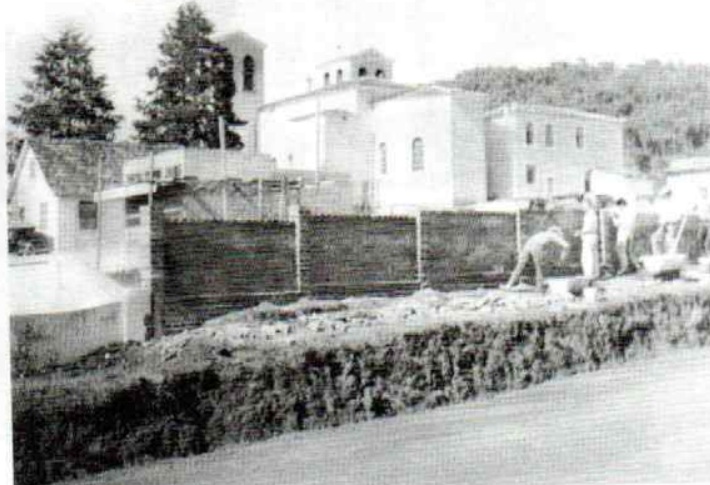
Once the Bishop received confirmation that the Sisters would work in the community, construction began on the residence that would welcome them upon their arrival.
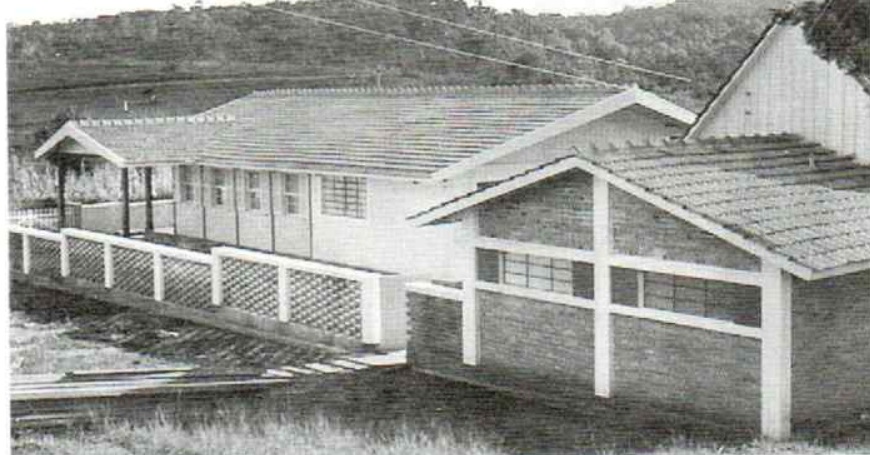
After the Sisters arrived at the new convent, their work among the local population began. An ambulance was made available to facilitate visits to the sick and to transport patients to hospitals in Curitiba.
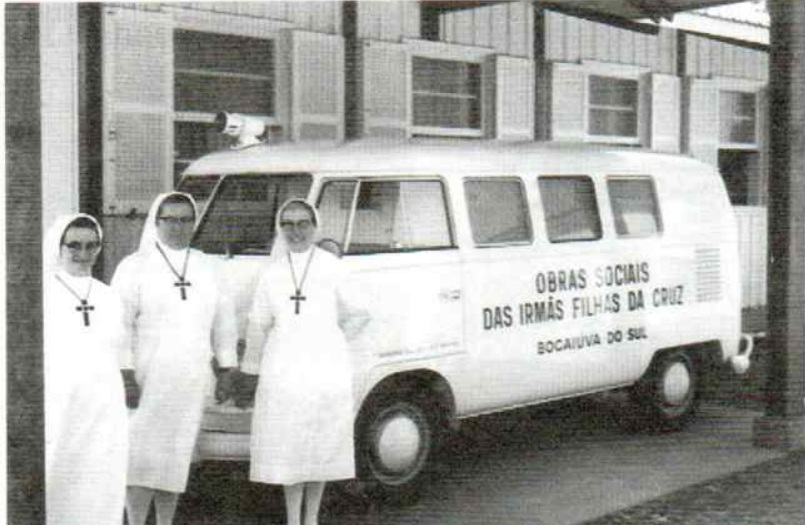
During this period, the social organization Obras Sociais das Irmãs Filhas da Cruz was established, expanding the assistance provided in the region.
The Sisters' Maternity Home
One of the important areas of service carried out by the Daughters of the Cross in Bocaiúva do Sul was the care of pregnant women.
The institution known as the “Sisters' Maternity Home” operated until 1994. According to the historical record, it was closed for political reasons at the time.
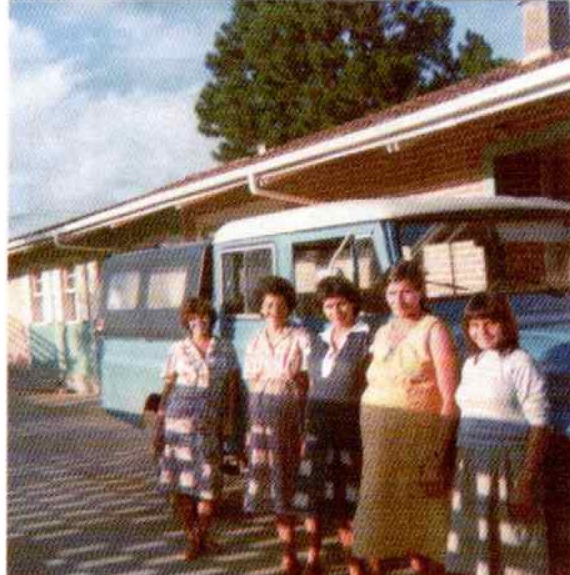
The Congregation fully supported the work, providing food, travel expenses, medicine, and payment for the women who helped prepare meals, clean the facilities and assist during childbirth.
After the maternity home closed, births under normal circumstances no longer took place in Bocaiúva do Sul. Local births were mainly those in which the baby arrived before the mother could reach another place of care or during the journey.
Catechesis and Evangelization
During the same period, Sisters from the Congregation of Saint John the Baptist the Precursor also arrived to work in catechesis and to assist the priests of the same Congregation, who arrived some time after the Daughters of the Cross.
The two Congregations worked in catechesis and evangelization, reaching distant communities throughout the Diocese, both in the Serra region and on the islands of Paranaguá.
Mission on the Islands of Paranaguá
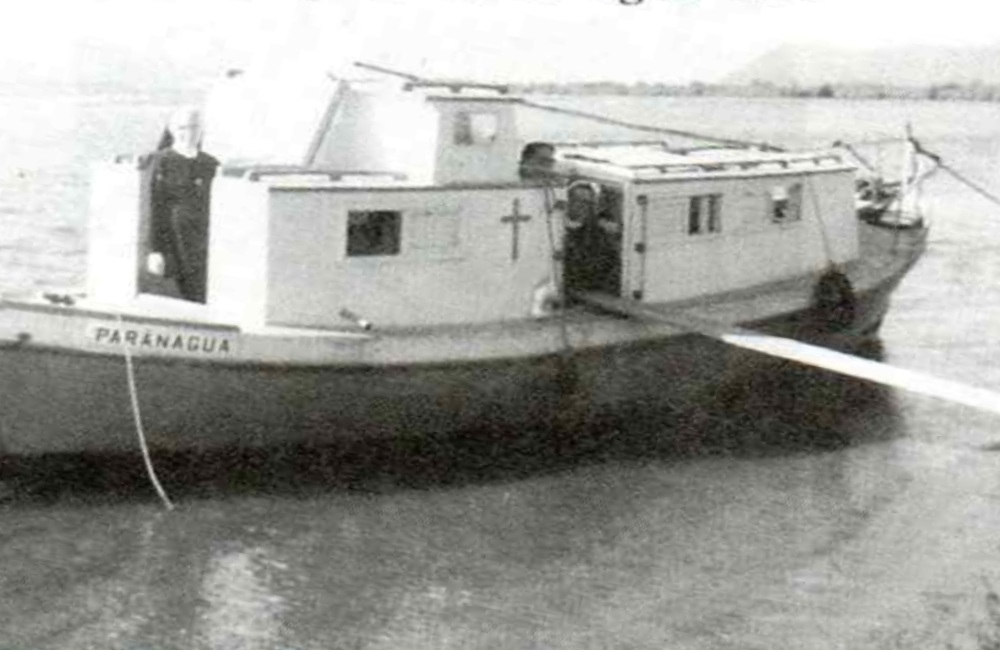
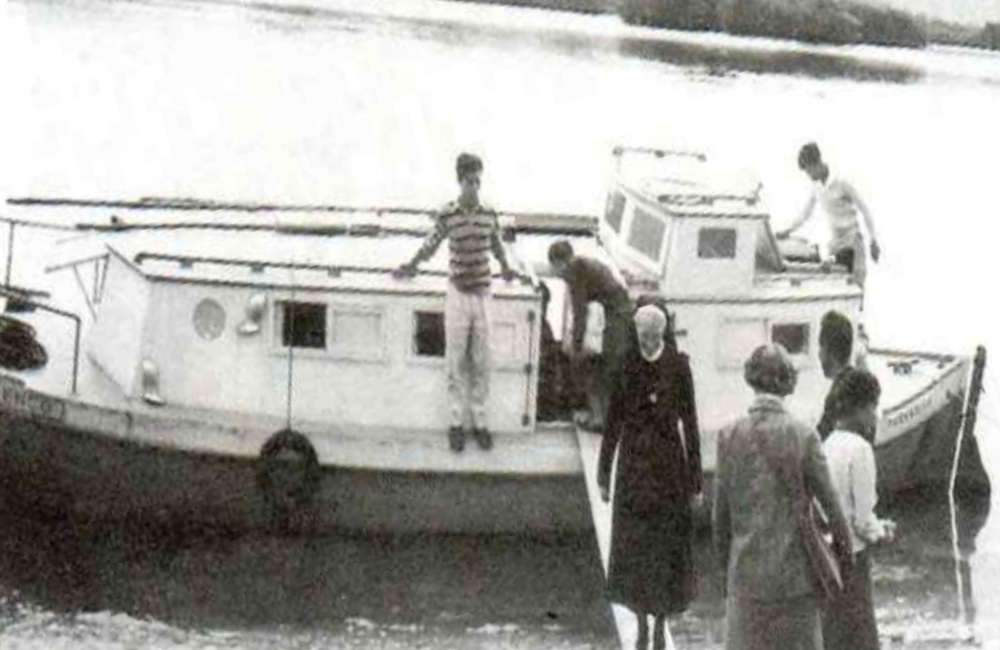
To make it possible to serve the island communities, the Bishop acquired a boat that transported the nursing Sisters of the Daughters of the Cross throughout the region.
The Sisters would spend approximately one week on the islands and then return to Bocaiúva do Sul, where they remained for about two weeks before another missionary journey.
The historical record particularly identifies this boat mission as taking place between 1971 and 1973.
Serving Rural Communities
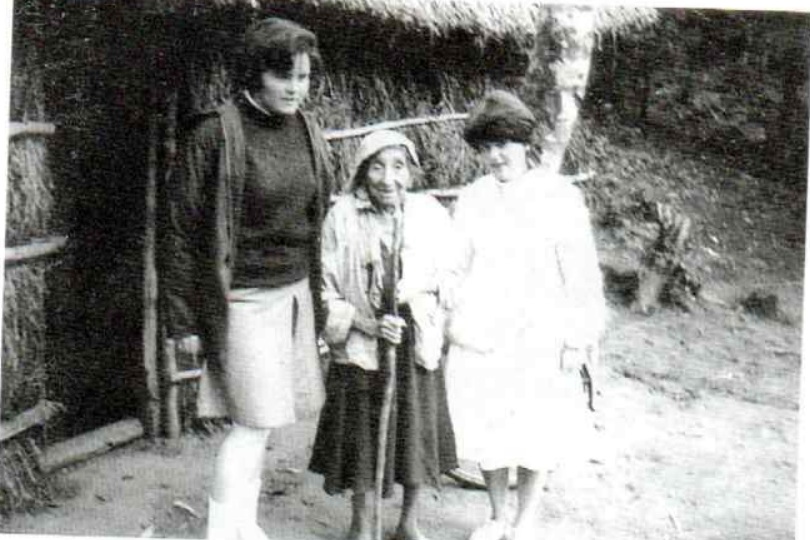
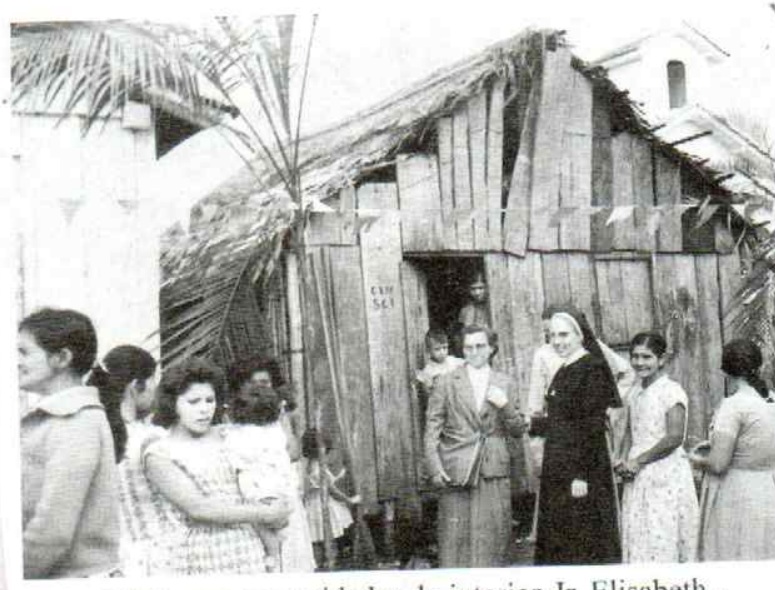
Visits to the communities were frequent, despite the considerable difficulties involved in reaching many parts of the municipality.
In addition to the Daughters of the Cross, Dom Bernardo Nolker obtained the assistance of two nurses from his Diocese in Baltimore, United States, who came to join the work being carried out in Bocaiúva do Sul.
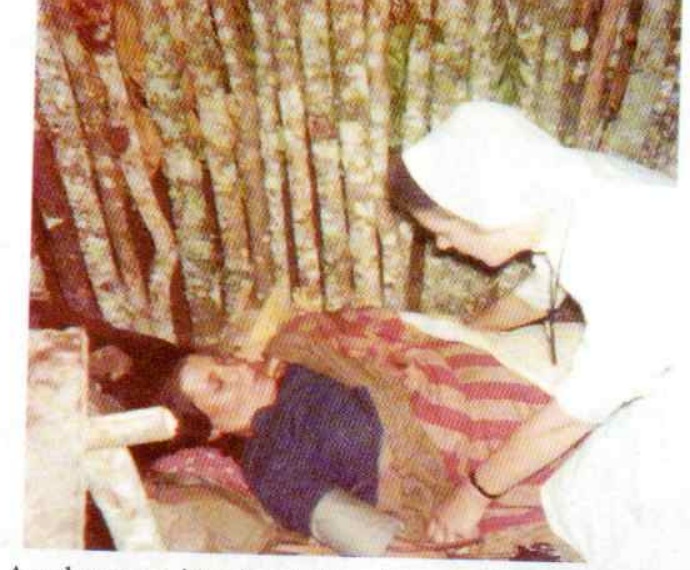
As care for the sick and pregnant women increased, the Sisters also provided prenatal care, nursing consultations, examinations and medicines.
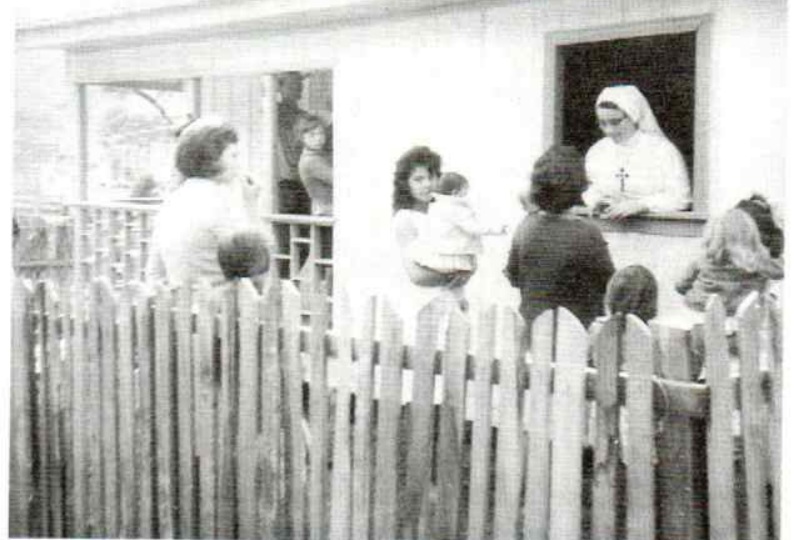
Road conditions made travel particularly difficult. During visits to chapels and rural communities, the Sisters provided care and monitored expectant mothers.
When a pregnant woman was approaching childbirth, she could travel with the Sisters in their jeep to Bocaiúva do Sul, where a house was available to accommodate patients and expectant mothers.
In some cases, these women remained there for two or even three months. This could happen because the expected date of birth had been miscalculated or because, after giving birth, they had to wait for the Sisters' next visit to their community in order to return home.
A Presence Marked by Service
The history of the Daughters of the Cross in Bocaiúva do Sul reflects a presence that extended far beyond the walls of the convent.
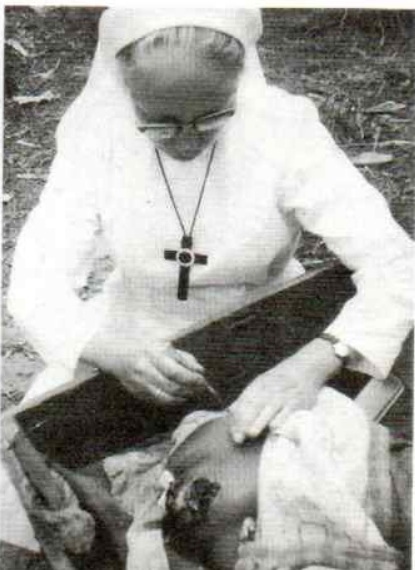
Care for the sick, support for pregnant women, journeys to distant communities, catechesis and evangelization were all part of a mission carried out in places where access and resources were often limited.
This presence remains part of the memory of these communities and is preserved in the historical photographs that bear witness to an important chapter in the work of the Daughters of the Cross in Paraná.